

The Future of Structured Cabling: Trends to Watch in 2026
Structured cabling continues to evolve rapidly, playing a critical role in the foundation of modern digital infrastructure. As we move into 2026, increasing demands for speed, scalability, and smart connectivity are shaping the future of network cabling systems. Here are the key trends to watch in the coming year.
1. Rise of Smart Building Cabling
With the rise of IoT and intelligent automation, buildings are becoming smarter. Structured cabling systems must support a growing number of connected devices, from HVAC systems to lighting and security. Cabling that supports high power over Ethernet (PoE++) and seamless device integration will be essential.
2. Fiber to the Edge (FTTE)
Fiber optic technology is moving closer to end-user devices. FTTE architecture provides faster speeds, lower latency, and better bandwidth for high-demand environments like hospitals, universities, and data centers. Expect more deployments of fiber in enterprise LANs.
3. High-Density Data Center Solutions
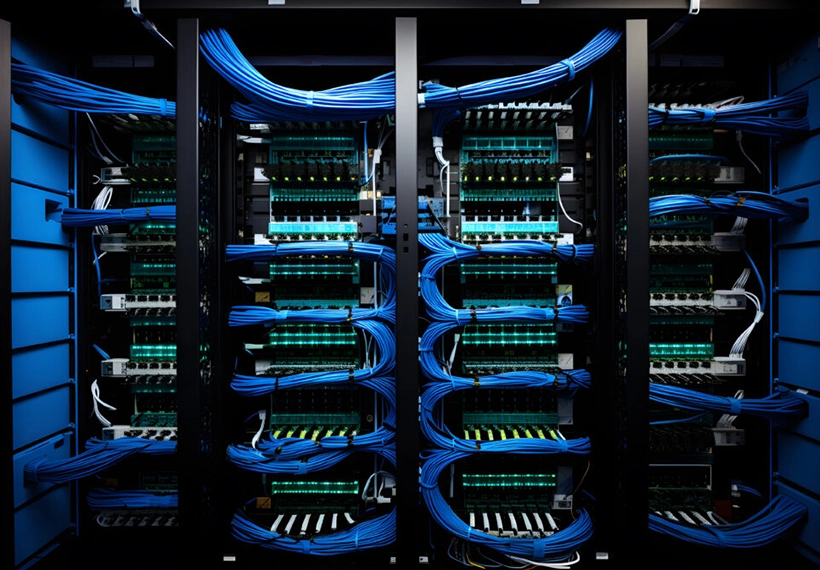
Data centers are under pressure to handle more data in less space. In 2026, expect to see structured cabling solutions with ultra-high-density patch panels, compact fiber enclosures, and modular designs that allow for easy scalability and airflow optimization.
4. Sustainability and Green Cabling
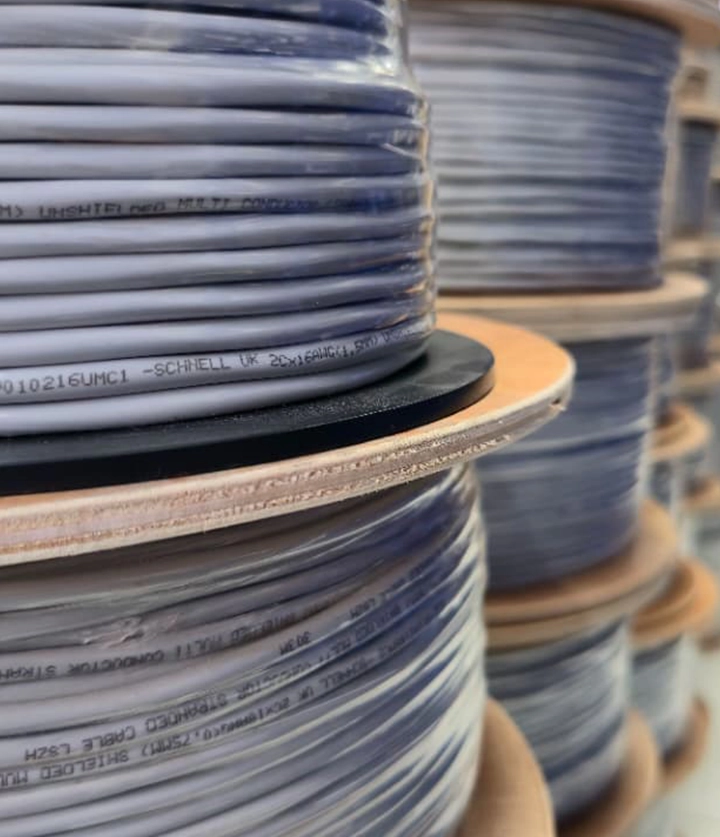
Eco-conscious construction is driving demand for environmentally friendly cabling. Low Smoke Zero Halogen (LSZH) cables and fully recyclable packaging will become standard. Manufacturers will also focus on energy-efficient cable designs and sustainable production processes.
5. Higher Category Copper Cables
The need for faster data transmission is pushing copper cable performance. Category 6A is already common, but the push toward Category 8 cabling for 25G and 40G Ethernet in short-distance applications is gaining momentum, especially in high-performance computing environments.
6. Improved Cybersecurity Through Cabling Infrastructure
With physical layer security gaining attention, structured cabling now plays a part in protecting networks. Color-coded cables, port blocking accessories, and controlled access to cabling paths help organizations comply with cybersecurity standards.
7. AI and Automation in Network Management
AI-driven monitoring tools are becoming part of structured cabling systems, allowing for real-time analysis of cable performance, fault detection, and predictive maintenance. Automation ensures uptime and reduces human error in complex networks.
Conclusion
The future of structured cabling lies in supporting smarter, faster, and more sustainable networks. Businesses and IT professionals must stay ahead of these trends to build infrastructure that can grow with emerging technologies and ever-increasing bandwidth demands. As a forward-thinking supplier, Schnell Networkz is committed to delivering next-gen cabling solutions that meet tomorrow’s connectivity challenges.
