

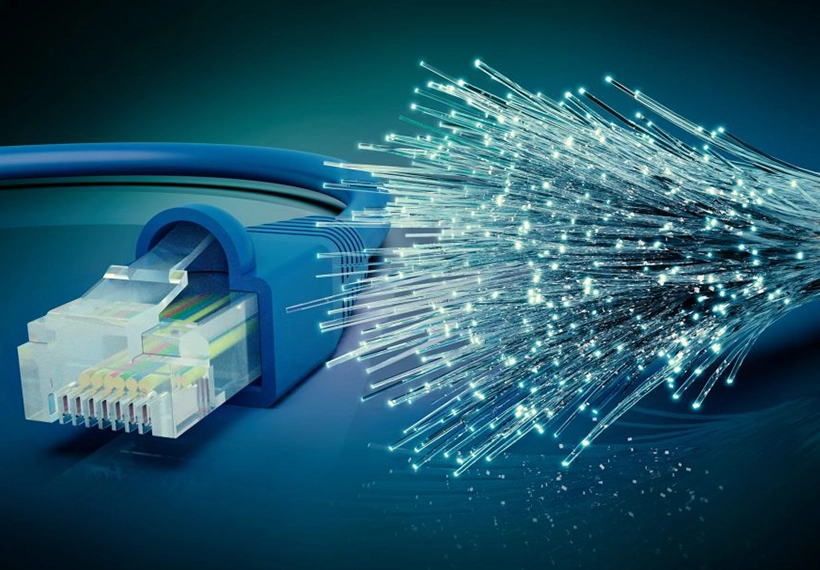
Choosing the Right Structured Cabling System: Copper vs. Fiber
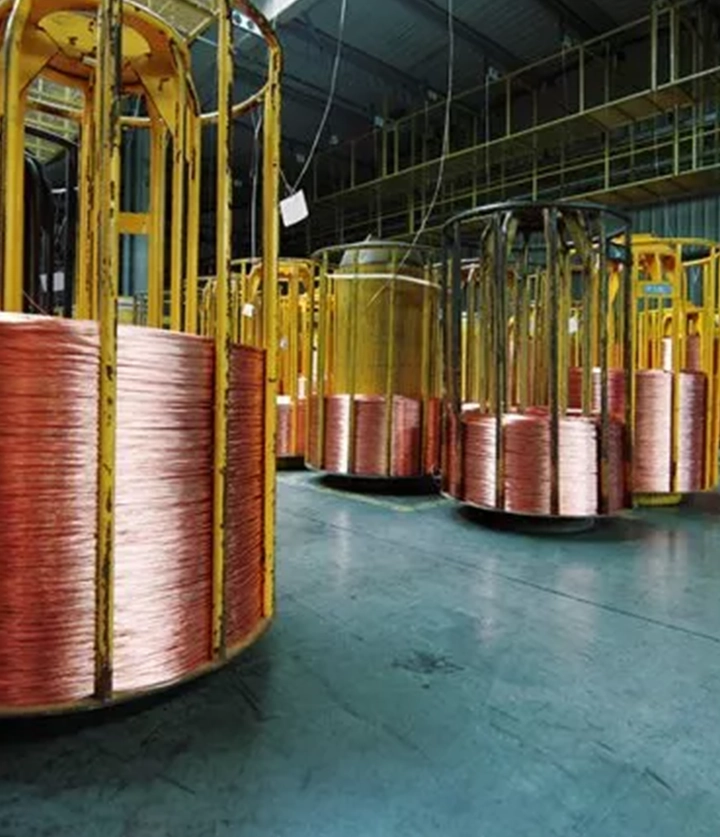
In today’s hyper-connected world, a reliable structured cabling system forms the backbone of efficient communication. Whether you’re setting up a small office or a large data center, choosing between copper and fiber optic cabling can significantly impact performance, cost, and scalability. At Schnell Networkz, we specialize in both copper and fiber solutions, offering expert guidance and high-quality products tailored to your needs.
What is Structured Cabling?
Structured cabling refers to a standardized infrastructure that supports voice, data, video, and other management systems in a building or campus. It organizes your entire network and enables smooth data transmission, better troubleshooting, and scalable expansion.
Copper Cabling: Pros and Cons
Advantages:
- Cost-effective: Copper is typically less expensive than fiber, making it a budget-friendly option.
- Power over Ethernet (PoE): Copper cables like Cat6 and Cat6a support PoE for devices like IP cameras, phones, and access points.
- Easier Installation: It requires less specialized training and tools.
Limitations:
- Distance Limits: Typically effective up to 100 meters.
- Signal Interference: More susceptible to electromagnetic interference (EMI).
- Lower Bandwidth: Compared to fiber, copper supports lower data rates over long distances.
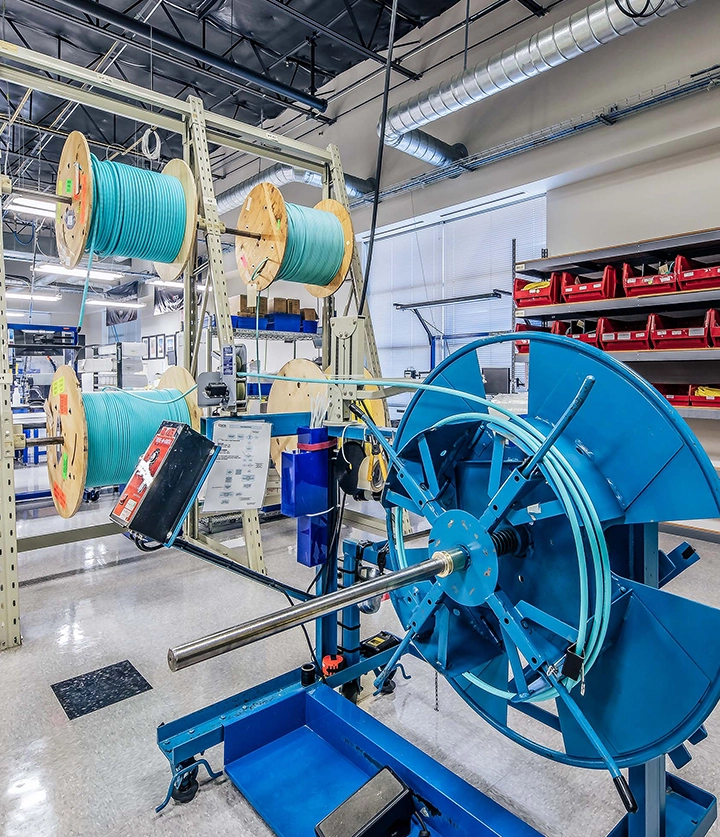
Fiber Optic Cabling: Pros and Cons
Advantages:
- High Bandwidth: Supports faster data transmission, ideal for high-performance environments.
- Longer Distances: Can transmit data over kilometers without degradation.
- Immune to EMI: Ensures cleaner signal and greater reliability.
Limitations:
- Higher Initial Cost: Components and installation are typically more expensive.
- Specialized Handling: Requires skilled professionals and precision tools.
Use Cases: When to Choose What?
Choose Copper When:
- Your network spans short distances (under 100m)
- Budget is a primary concern
- You require PoE for connected devices
Choose Fiber When:
- You need high-speed data transmission
- Your installation involves large campuses or data centers
- EMI could affect signal quality
How Schnell Networkz Can Help
With over a decade of experience, Schnell Networkz provides complete structured cabling solutions tailored for every need. From Cat6 UTP cables to singlemode and multimode fiber, our products meet international standards and ensure maximum network uptime.
Explore our categories:
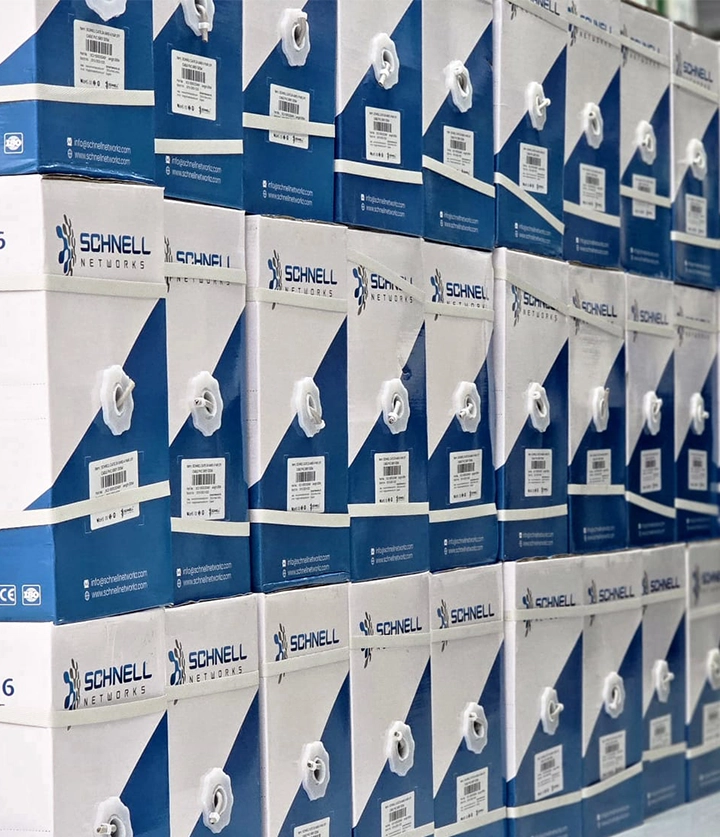
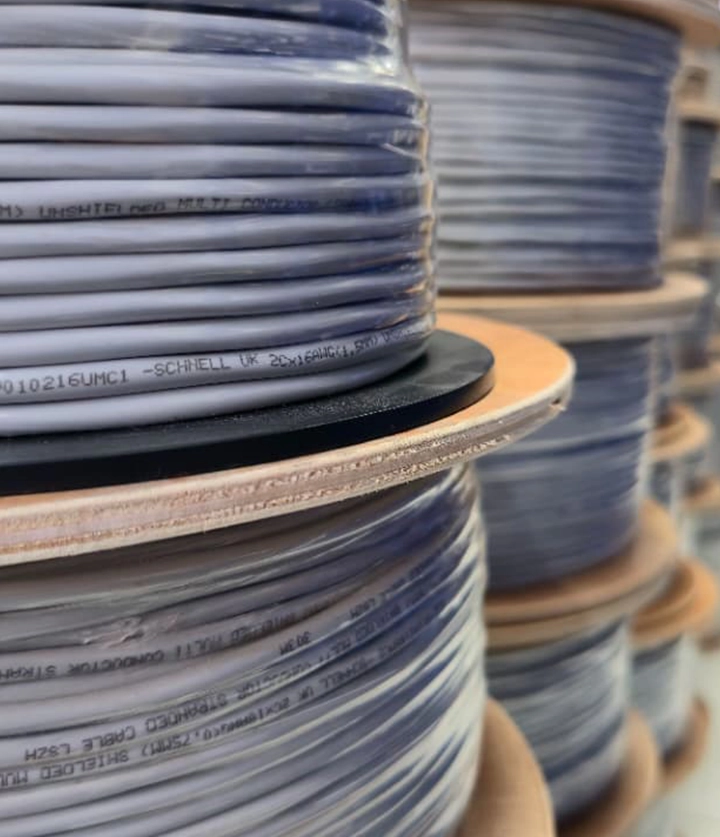
- Copper Solution: Cables, Patch Panels, Accessories
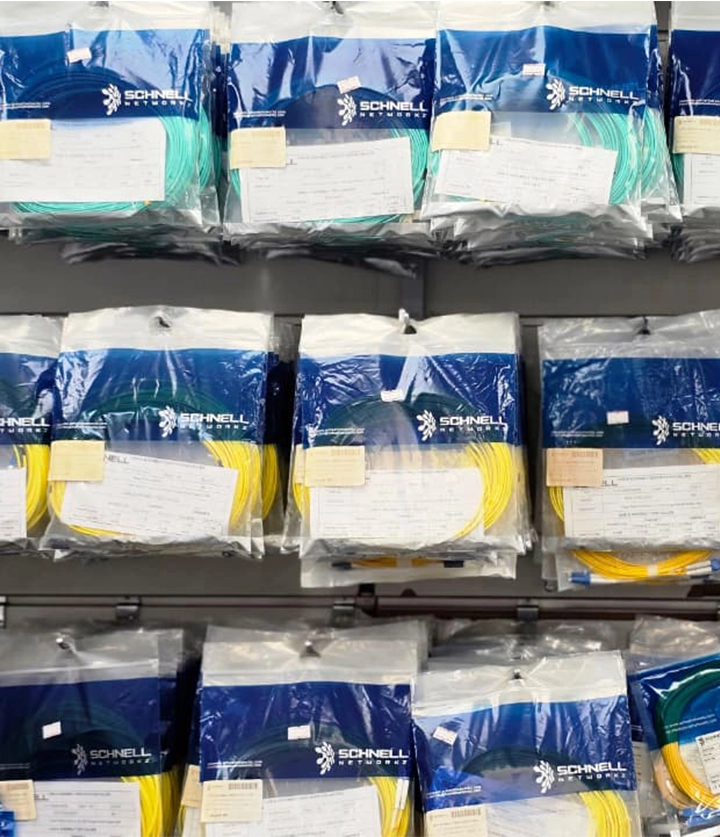
- Fiber Optic Solution: Cables, Pigtails, Patch Cords
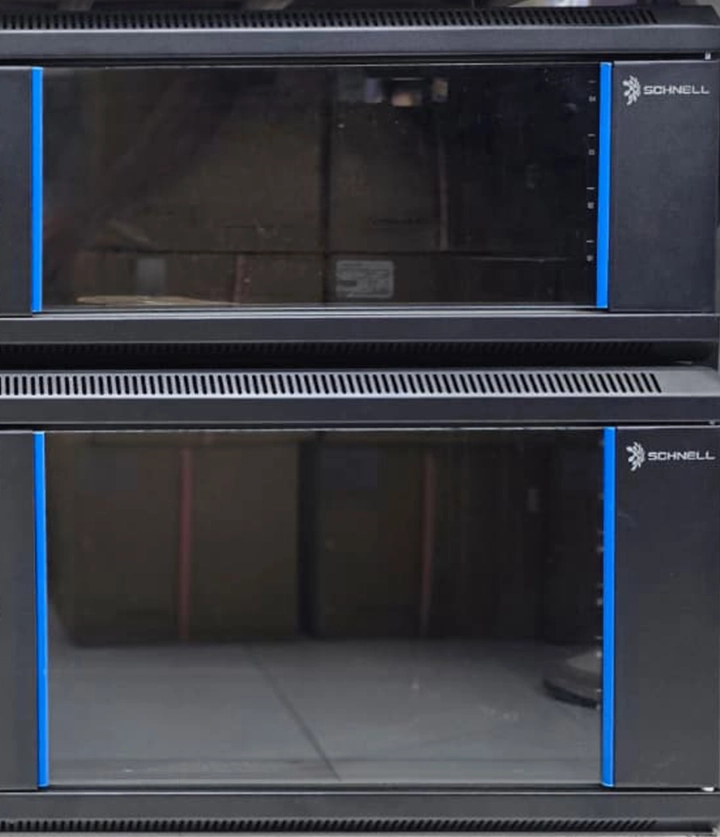
- Data Center Solutions: Cabinets, Racks, Cable Managers
Conclusion
The choice between copper and fiber isn’t always clear-cut. Each has its strengths depending on your requirements. Whether you’re planning a small LAN setup or a massive data center, Schnell Networkz is here to help you build a future-ready, high-performance network.
Ready to upgrade your infrastructure? Explore our products today.
